Exterior Washing & Safe Drying
The foundation of vehicle appearance relies on safe washing methods. A poor wash routine can quickly introduce micro-scratches, commonly known as wash marring or swirl marks.
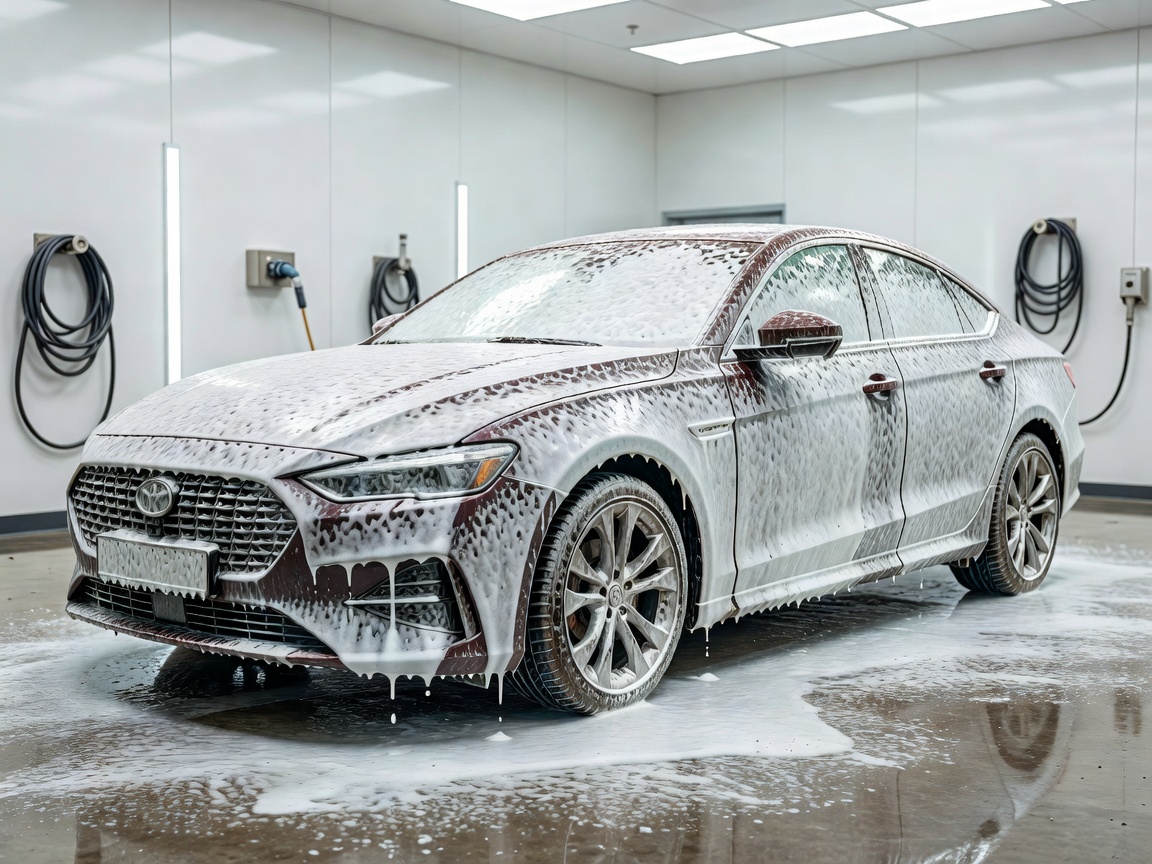
The Pre-Wash Stage
Before any physical contact is made with the vehicle's paint, a pre-wash chemical—such as a snow foam or citrus pre-cleaner—is applied.
This step is designed to soften and lift loose road grime, dust, and light salt residue. Rinsing this away first significantly reduces the amount of abrasive dirt present during the contact wash.
The Contact Wash
We advocate for structured contact washing, utilizing dedicated wash media (such as microfibre mitts) and a high-lubricity automotive shampoo. Rinsing the wash mitt frequently helps prevent dragging dirt across the clear coat.
Safe Drying Techniques
Drying is often when the most damage occurs if improper towels are used. We recommend:
Forced Air Drying
Using filtered, warm air to blow water out of panel gaps, grilles, and mirror housings without touching the paint.
Plush Microfibre
Using heavy, dedicated drying towels designed to absorb water quickly with minimal surface friction.
Drying Aids
Applying a spray sealant or quick detailer during the drying process to add lubrication and reduce potential towel marring.